


Ocarina of Time has several elements that players love, and many fans even claim that the classic Zelda title is one of the best games ever. Despite this, there’s a general consensus among fans that the game’s Water Temple is one of the most frustrating dungeons in the entire Zelda franchise. Thankfully, Ocarina of Time Remake makes some changes to the Water Temple that make the dungeon less annoying while keeping its original feel.
Easier Iron Boots Switching

This may have been one of the biggest frustrations players faced in the original Water Temple. Players had to go underwater and then return multiple times. The issue was that to switch Iron Boots, you’d have to pause the game, go to the equipment menu, and equip or unequip the Iron Boots each time. While this may not seem like an issue, it got very frustrating since you had to do this numerous times to advance in the Water Temple.
Ocarina of Time Remake changes this by streamlining the Iron Boots switching. All players have to do is press a single button to equip or unequip the item. This means no need to pause the game each time, and you can go underwater or return to higher ground with just one click. The Water Temple in Ocarina of Time Remake has a similar layout to the classic dungeon, so this can become a massive time-saving feature for players.
Lattice Walls

The original Water Temple featured a solid structure, with walls blocking the view of surrounding rooms. While the dungeon was interconnected, players still had to enter new rooms to check whether they held any important items or otherwise useful mechanics. The criticism wasn’t about the walls, but the issue with the Water Temple was that it was easy to get lost in the dungeon.
The remake addresses this criticism by introducing Lattice Walls for some areas. These semitransparent structures allow players to peek into some rooms, which makes it easier to confirm whether they need to be entered or if you can continue moving. The modern Water Temple still uses a similar layout as the classic, which is why this is a welcome change, as it can reduce the need for backtracking after missing an important room.
Water Level Symbols and Colors
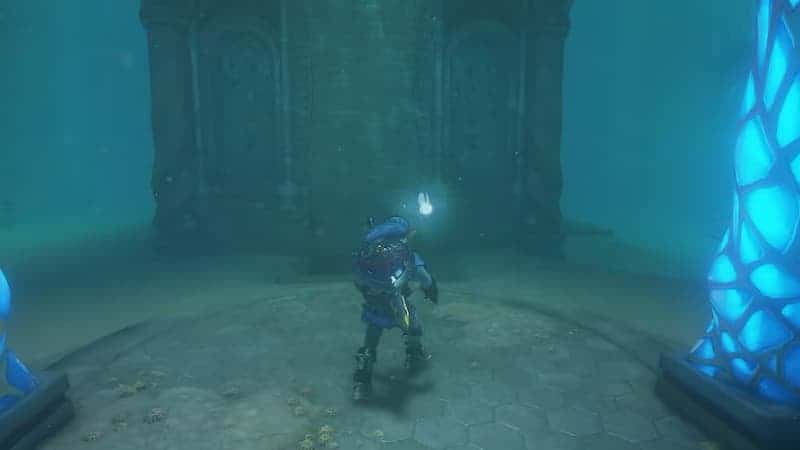
In the original Water Temple, it wasn’t always easy to find the water level control room or remember how the specific control would affect the water. This could become tricky if you were trying to go through the dungeon at a fast pace, but Ocarina of Time Remake changes this by adding a distinct mechanic for this.
The control rooms are marked with symbols, highlighting that you can go inside the door to change the water level and how the water level will change. That’s not all, as the routes are also color-coded and will lead you to the control room from other rooms in the Water Temple. The color-coded feature technically isn’t new, as Ocarina of Time 3D had it, but the remake builds on it. This mechanic can easily become one of the defining things about the modern Water Temple, as it could allow players to traverse through the watery maze more efficiently.
Fewer Small Keys

New players will likely be going in without much knowledge about how Ocarina of Time works, but returning fans will know how frustrating it was when you missed a small key while progressing in the dungeon. This was especially an issue in the Water Temple because the dungeon’s layout was substantially different from others, and you had to change the water level to search the entire place.
The Ocarina of Time Remake made a major change in the Water Temple by reducing the number of required small keys from six to four. Players will no longer find a key below the central pillar or the one that was found in the underground river. This may be the most in-your-face change for veterans, as small keys were crucial to progressing, and you could miss them if you didn’t search dungeons extensively.
Changes to Dungeon Progression

This gameplay change was made because of the new mechanics Ocarina of Time Remake introduced. For instance, the original game didn’t have a free camera or a dedicated jump button. These two mechanics have been introduced in the remake, which changes how players handle dungeons and puzzles. The remake allows you to change your focus, which can confuse and misdirect players when they enter a new area.
This may be one of the reasons why Nintendo added Lattice Walls, so players can check their surroundings and not go in the wrong direction. This may seem like an insignificant change, but it’s necessary, as the remake has mechanics that weren’t available in the original game. However, despite these changes, the Water Temple is still largely similar to how fans of the original game remember the dungeon.

