

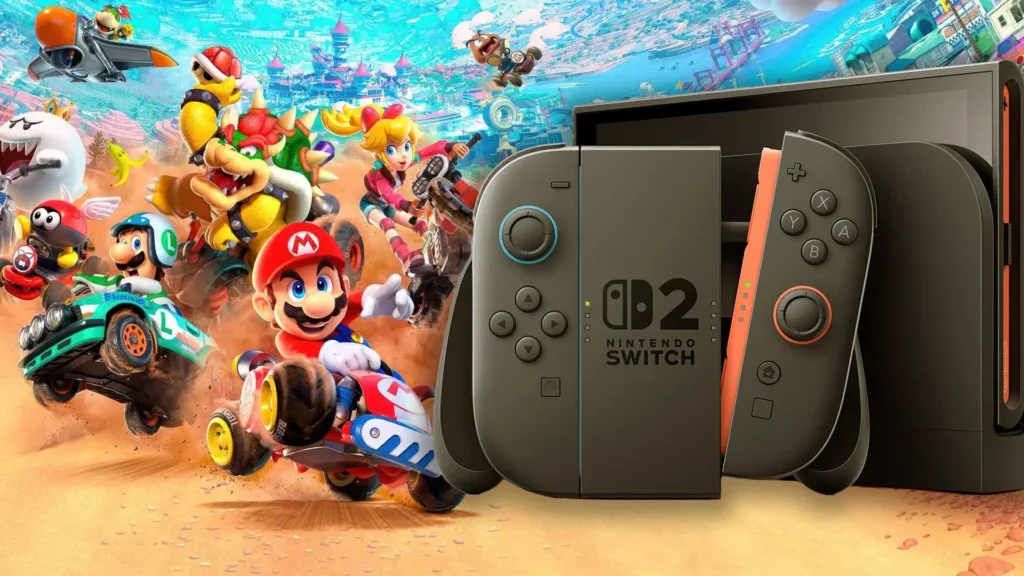
Correction — 4 November 2026: We’ve revised the headline and added an important distinction: Macronix supplies chips for original Switch cartridges. While there is evidence that the company has been planning technologies specifically for the Switch 2 cartridges, we haven’t confirmed whether it currently supplies Switch 2 cartridges. ROHM is the primary supplier of Switch 2 cards.
Macronix, a longtime supplier of memory chips for original Nintendo Switch cartridges, is winding down its ROM business. Its role in original Switch games is documented, but what effect—if any—the decision will have on Switch 2 cartridge production is unclear.
ROM stands for read-only memory: storage used to hold data, such as the software on a game card. According to the Taipei Times, Macronix chairman Miin Wu said the company is winding down this part of its business. That means a gradual exit, rather than stopping all deliveries immediately.
MST Financial senior analyst David Gibson believes the withdrawal could encourage more game-key cards and digital-only releases. He also expects physical cards to remain available through Nintendo’s other suppliers.
Why Macronix Is Moving Away From ROM

The company’s latest financial results show how small ROM has become within its business. It brought in just 5% of sales during July–September 2026. NAND, another type of memory used in electronic devices, accounted for 47%.
Compared with the same three months last year, ROM sales fell 39%, while NAND sales rose 768%. In other words, Macronix’s ROM business is shrinking while another part of the company is growing quickly.
Macronix had also been preparing new cartridge products. A July 2025 report by Taiwanese financial outlet UAnalyze said it planned to use different types of flash memory to meet different storage needs. That describes plans, rather than proof that Switch 2 cards were being shipped.
Macronix is putting new factory investment into NAND products, according to the Taipei Times. Its latest presentation describes demand from data centres taking up production capacity that other customers would otherwise use.
Could Original Switch Games Become Harder To Find?
The original Switch has a clearer connection to Macronix’s withdrawal. The company’s own financial reports link its ROM business to original Switch games, so winding it down could affect the chips used to make further copies.
For players, the potential concern is restocks. If a game sells through its existing supply and replacement chips are harder to source, another batch could take longer to reach shops or become less worthwhile for the publisher to produce. Copies already manufactured would remain available while stocks last.
Other suppliers offer a possible route to keeping production going. Cartridge research also identifies ROHM chips in original Switch cards, though that does not establish whether it could replace every Macronix product in the quantities needed. The reported phase-out has no published timetable for Nintendo orders, and no resulting shortage of original Switch games has been confirmed.
What Does This Mean For Switch 2?
Switch 2 cards already use chips from another manufacturer, ROHM, according to research based on cartridge teardowns. Macronix had been preparing products for the newer console, but we haven’t confirmed whether it began supplying them. Its exit therefore cannot be treated as evidence that Nintendo will have fewer Switch 2 cartridges to sell.
Gibson expects Nintendo’s other suppliers to help keep physical releases available. He wrote: “Macronix isn’t Nintendo’s only game memory card maker, so physical cards will likely carry on for some time.”
Gibson predicts a gradual increase in game-key cards and download-only sales, leaving more boxed releases dependent on a download. Physical releases already face pressure elsewhere in the market. Canadian retailer Video Games Plus warned in October about smaller print runs and more expensive reprints, describing difficulties keeping boxed games available.
Nintendo has recently reaffirmed its support for boxed games. In October, Nintendo of Latin America director Bill Van Zyll said the company had no plans to ditch physical releases, pointing to players’ interest in collecting, sharing and reselling them.
The Format Behind Gibson’s Prediction
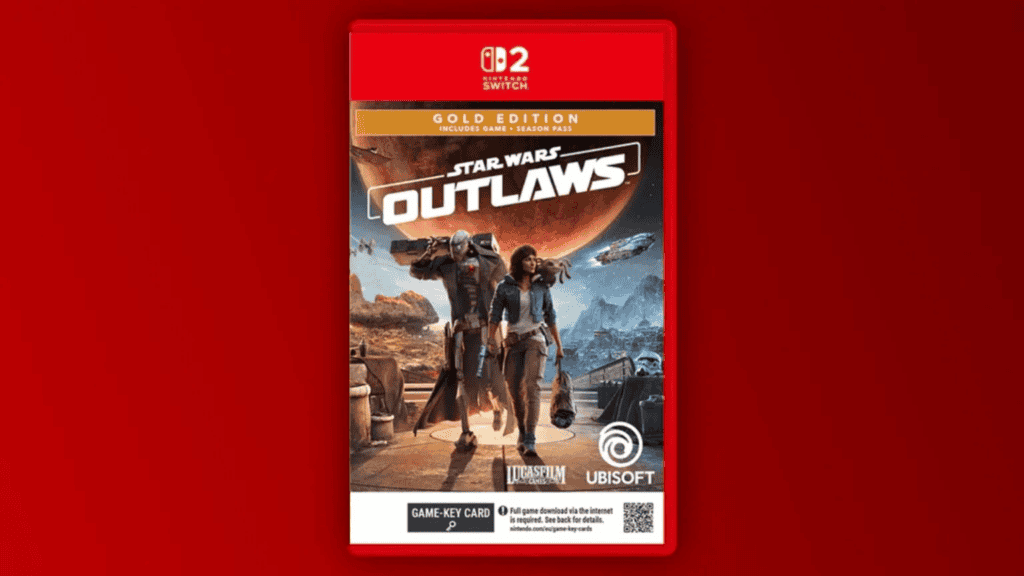
The game-key cards Gibson points to are already part of the Switch 2 market. These cards contain no game data: inserting one lets you download the game onto your console. Their use predates Macronix’s withdrawal, and publishers have reasons beyond chip supply for choosing them.
After downloading, you can play without an internet connection, but the card must stay inserted. You can also use it on another Switch 2, although that console needs to download the game too.
For buyers, that means needing an internet connection for the download and enough storage space. It also means the card alone isn’t a complete copy of the game. Regular cartridges can still need patches or extra downloads, so it’s worth checking what each release includes.
For example, Ubisoft developer Rob Bantin said Star Wars Outlaws used a game-key card because cartridges could not stream its world fast enough for the team’s quality target. He did not recall card costs entering the discussion.
The Wider Debate Over Downloads
The debate over what belongs in a boxed game also comes as France considers a tax on internet traffic. The proposal would charge companies for data delivered to French internet users, including game downloads. It has not become law and would cover traffic delivered in France.
Beyond France, the concern is whether such a tax could encourage other governments to consider similar policies. Higher costs for delivering downloads could give publishers another reason to put games on discs or cartridges. Game-key cards would still require the full download, so selling a game in a box would not, by itself, reduce that traffic.
For players who collect physical games, what matters is what comes in the box. A cartridge containing the game can spare them a large download and let them install it again later. A game-key card can still be shared or resold, but getting the software depends on a download.


